
Alcohol misuse can develop over time, and the early signs of alcoholism are not always obvious. Many people think of alcoholism as always being drunk or something terrible happening because of drinking, but problems often begin with subtle behavioral, emotional, or physical changes.
Clinically, alcohol addiction is called alcohol use disorder (AUD). It can range from mild to severe and involves patterns of alcohol use that lead to health problems, difficulty controlling drinking, or negative effects on relationships and responsibilities.
Whether you’re concerned about your own drinking or wondering if someone close to you may be struggling, understanding the physical, behavioral, emotional, and mental signs of alcoholism can help you know when professional support may be needed. We’re here to help when you’re ready. Contact our admissions team or find out what an assessment will involve when you’re ready for treatment.
What is alcoholism?
Alcoholism exists on a spectrum. Some people experience mild symptoms, such as drinking more often than intended or relying on alcohol to relax. Others develop more severe patterns, including cravings, withdrawal symptoms, or major disruptions to their daily lives.
Healthcare professionals often evaluate alcohol use disorder symptoms based on patterns such as:
- Drinking more or longer than intended
- Unsuccessful attempts to cut back
- Craving alcohol
- Continued drinking despite problems with health, work, or relationships
- Developing tolerance to alcohol
- Experiencing withdrawal symptoms without alcohol
Drinking problems rarely start overnight. Instead, they usually develop gradually, beginning with early warning signs that become more noticeable over time.
Early signs of alcoholism
For many people, alcohol addiction begins with changes in drinking patterns or lifestyle habits that seem minor at first. These early warning signs can appear long before any severe symptoms.
Changes in drinking habits
One of the first signs of alcoholism is a noticeable change in how often or how much someone drinks. This might look like:
- Drinking more frequently than before
- Drinking larger amounts of alcohol when you do drink
- Drinking alone or in private
- Making excuses to drink
- Feeling disappointed when alcohol isn’t available
Many people in the early stages of alcohol misuse also begin to think about drinking more often, planning their day or social activities around alcohol.
Early lifestyle warning signs
Drinking can also start affecting everyday habits and priorities. Some of the more noticeable early warning signs of alcoholism may include:
- Experiencing frequent hangovers or feeling sick after drinking
- Missing work or responsibilities because of drinking
- Personality changes when intoxicated
- Spending increasing amounts of time drinking or recovering from drinking
At this stage, people may still believe their alcohol use is under control. However, continuing to drink despite these early warning signs could indicate that a drinking problem is developing.
Physical signs of alcoholism
Alcohol misuse can also lead to physical symptoms that affect the body and overall health. These signs may be subtle at first, but often become more noticeable as someone becomes more dependent on alcohol.
Common physical symptoms
Some of the most common physical symptoms of alcoholism include:
- Bloodshot eyes
- Poor sleep or insomnia
- Nausea or stomach discomfort
- Excessive sweating
- Shakiness or tremors, especially in the hands
- Poor coordination or balance problems
- Blackouts or memory lapses after drinking
These symptoms may occur during or after drinking and can gradually worsen if alcohol use continues.
Changes in physical appearance
Alcohol use can also affect a person’s appearance over time.
Some of the most visible signs of alcoholism are on the face and body. They can include:
- Weight loss due to drinking instead of eating
- Weight gain related to alcohol calories or excessive eating when drunk
- Broken capillaries in the nose or cheeks
- Facial redness or flushed skin
- Bloodshot eyes
As more time goes on, people with alcoholism can develop yellowing of the eyes or skin. This can indicate liver damage related to long-term alcohol misuse.
Signs of tolerance and dependence
Tolerance occurs when someone needs to drink more alcohol to experience the same effects they once felt from smaller amounts. Some people call this being able to “hold their liquor,” but it’s more often a sign that their body has begun adapting to alcohol.
Over time, tolerance can lead to physical dependence, meaning the body begins to rely on alcohol to function normally. When someone becomes dependent on alcohol, they must drink to avoid going into withdrawal.
Withdrawal-related warning signs
When someone who is dependent on alcohol stops drinking or significantly reduces their intake, they will experience withdrawal symptoms.
Common withdrawal-related warning signs include:
- Anxiety
- Sweating
- Nausea or vomiting
- Insomnia
- Tremors or shaking
Alcohol withdrawal can cause serious medical complications such as seizures or hallucinations. Continuing to drink is not the answer, though. Professional support in an alcohol detox program can safely manage dangerous symptoms and provide stability for the recovery journey.
Behavioral signs of alcoholism
Changes in behavior are often among the most noticeable signs of alcoholism, especially during the early and middle stages. These changes may appear in how someone drinks, how they interact with others, and how alcohol affects their responsibilities.
Changes in behavior around alcohol
As someone’s drinking becomes more problematic, their behavior around alcohol will shift. You may notice:
- Spending large amounts of time thinking about drinking
- Drinking alone regularly
- Hiding or minimizing alcohol consumption
- Becoming defensive when asked about drinking
- Difficulty controlling how much alcohol is consumed
People experiencing these changes may also find themselves craving alcohol or feeling preoccupied with when they will drink next.
Relationship and social warning signs
Drinking will begin affecting relationships with friends, family members, and coworkers. Signs may include:
- Arguments with loved ones about drinking
- Becoming secretive about alcohol use
- Withdrawing from friends or family
- Losing interest in activities once enjoyed
Daily life and responsibility issues
As alcohol use progresses, it can interfere with daily responsibilities.
- Missing work or school because of drinking
- Declining job or academic performance
- Ignoring responsibilities at home
- Engaging in risky or dangerous behavior while drinking
Emotional and mental effects of alcoholism
Problematic drinking and alcohol abuse also take a toll on emotional well-being and mental health. Some of these effects are noticeable, while some are much easier to hide. Regardless of how outward they are, they can be severe.
Mood and emotional changes
Some of the more obvious shifts may include changes in mood or behavior that you normally wouldn’t expect. These can include:
- Irritability
- Mood swings
- Anxiety
- Feeling depressed
- Being emotionally unstable
Psychological reliance on alcohol
Another key warning sign is psychological reliance on alcohol. Similar to physical dependence, someone’s thoughts can become all-consumed by drinking.
Some people begin using alcohol to cope with stress, social anxiety, or emotional discomfort. They may feel they need alcohol to:
- Relax after a stressful day
- Socialize comfortably
- Feel confident in social situations
- Escape negative emotions
- Enjoy life or feel happy
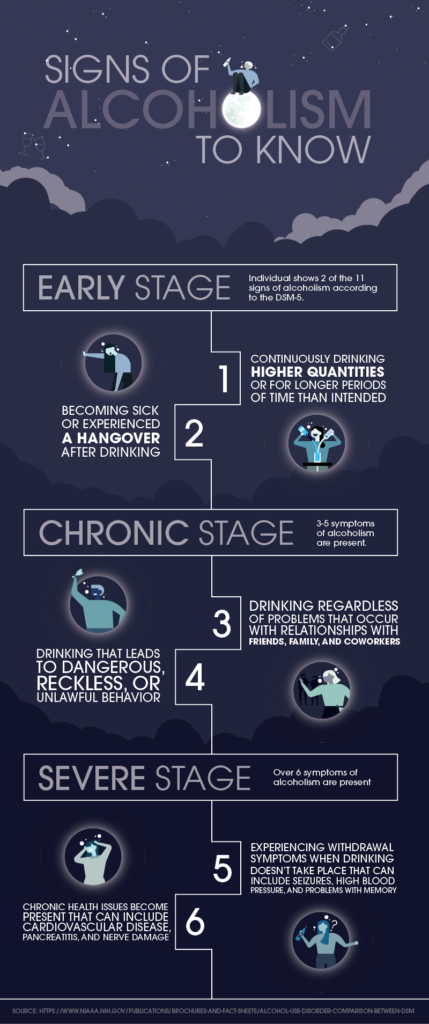
How alcohol use disorder can progress
Alcohol use disorder develops over time; it rarely appears overnight. As someone’s drinking progresses, they’ll have more and more disruptions to their daily life.
Early warning signs
Early stages may involve increased drinking, developing tolerance, and occasional problems related to alcohol.
Growing dependence
Cravings get stronger, people have difficulty cutting back, and experience more disruptions to relationships or responsibilities.
More serious progression
More advanced stages involve a loss of control over drinking, withdrawal symptoms, and worsening health problems related to alcohol.
Signs of severe alcoholism
Severe AUD has serious consequences on both physical health and daily functioning.
Severe physical symptoms
More advanced alcoholism may involve:
- Frequent blackouts
- Severe withdrawal symptoms
- Needing alcohol to avoid feeling sick
- Serious health complications, like liver damage, that can be diagnosed with bloodwork
Severe life-impact signs
Alcohol misuse can also create major disruptions such as legal problems, relationship conflicts, unsafe behavior, and continued drinking despite serious consequences. Whether your loved one has gotten a DUI or is displaying angry/violent or otherwise dangerous behavior, it’s time to get help.
When symptoms become a medical risk
Severe alcohol withdrawal can include seizures, hallucinations, or extreme confusion—which can be part of something called delirium tremens (DTs). DTs is a medical emergency that requires immediate support. Medical detox may be necessary to safely manage these symptoms.
Heavy drinking vs. alcoholism: What’s the difference?
Heavy drinking and alcoholism are not always the same thing. Heavy drinking refers to consuming large amounts of alcohol. Alcoholism involves patterns of dependence, cravings, withdrawal symptoms, and continued drinking despite negative consequences. People with alcohol use disorder can still drink heavily or binge drink, but it’s the pattern of dependence that sets it apart.
What are the signs of functional alcoholism?
Some people with alcohol use disorder appear to maintain normal responsibilities and daily functioning. This pattern is often referred to as functional alcoholism.
Functioning alcoholism may involve:
- Maintaining employment and responsibilities
- Drinking frequently without appearing intoxicated
- Hiding the extent of alcohol use
- Believing alcohol use is under control
Even when someone appears to function normally, they may still rely on their drinking to relax or have fun. They might use alcohol to cope with stress or emotions. And, if they tried to stop drinking, they’d face risky withdrawal symptoms.
When the signs of alcoholism mean it’s time to seek help
If alcohol use is affecting your health, relationships, responsibilities, or emotional well-being, it may be time to seek professional support. Alcohol addiction rehab programs can help you understand your relationship with alcohol, address underlying challenges, and build healthier coping strategies.
Even if you’re only noticing the early signs of alcohol addiction, talking with an admissions specialist at a treatment center can help you get the support you need. Alcohol use disorder doesn’t get better on its own, and there’s no shame in reaching out for help. You deserve to recover, and you deserve to have a helping hand.
Talk with our team about alcohol addiction treatment
At Santé Center for Healing, our team provides comprehensive treatment programs designed to help individuals recover from alcohol addiction and co-occurring mental health conditions.
If you or someone you care about may be struggling with alcohol, reach out to our master’s-level admissions counselors today. Or, find out what an intake assessment is like, so you can feel more confident in moving forward.
FAQs about the signs of alcoholism
Early signs often include drinking more frequently, increasing tolerance, drinking alone, making excuses to drink, and experiencing frequent hangovers.
Physical signs may include tremors, bloodshot eyes, nausea, sweating, blackouts, sleep problems, and changes in weight or appearance.
Behavioral signs include hiding drinking, cravings for alcohol, missing responsibilities due to drinking, and conflict with loved ones about alcohol use.
Emotional signs may include anxiety, irritability, mood swings, depression, and reliance on alcohol to cope with stress.
Alcohol use disorder is a medical condition involving impaired control over alcohol use despite negative consequences.
Yes. Some people maintain jobs and responsibilities while still experiencing alcohol dependence. This is often called “functional alcoholism.”
Heavy drinking refers to high alcohol consumption, while alcoholism involves dependence, cravings, withdrawal symptoms, and loss of control over drinking.
Healthcare professionals evaluate alcohol use disorder using several criteria related to drinking behavior, tolerance, cravings, and withdrawal symptoms.
Treatment may be helpful when alcohol use begins affecting health, relationships, work, or emotional well-being.
Yes. Severe alcohol withdrawal can cause seizures, hallucinations, and other medical complications, which is why medical supervision is often recommended.